
Overview
Sciatica is a term used to describe pain that radiates along the path of the sciatic nerve, which runs from the lower back through the hips and buttocks and down each leg. This condition is often characterized by sharp, shooting pain, numbness, or tingling that can affect one or both legs. Sciatica is typically caused by compression or irritation of the sciatic nerve, often resulting from underlying conditions such as a herniated disc or spinal stenosis. While the pain can be debilitating, it usually improves with conservative treatment, including physical therapy, medication, and lifestyle modifications.
What are the causes of sciatica?
One of the most common causes of sciatica is a herniated or bulging disc in the spine. When the gel-like center of a spinal disc protrudes through a tear in the outer layer, it can press against the sciatic nerve, leading to pain and discomfort.
Spinal stenosis refers to the narrowing of the spinal canal, which can compress the sciatic nerve roots. This condition often occurs due to age-related changes in the spine, such as arthritis or bone spurs, and can lead to significant nerve pain.
Spondylolisthesis occurs when one vertebra slips out of place onto another, potentially compressing the sciatic nerve. This condition can result from age-related degeneration, trauma, or congenital factors.
The piriformis muscle, located in the buttock region, can sometimes become tight or spasm, putting pressure on the sciatic nerve. This condition, known as piriformis syndrome, can mimic sciatica symptoms and lead to pain and discomfort in the lower back and legs.
Acute injuries, such as falls or accidents, can lead to sciatica by causing direct trauma to the lower back or hips. These injuries may result in muscle strains, fractures, or damage to the spinal structures, contributing to nerve compression and pain.
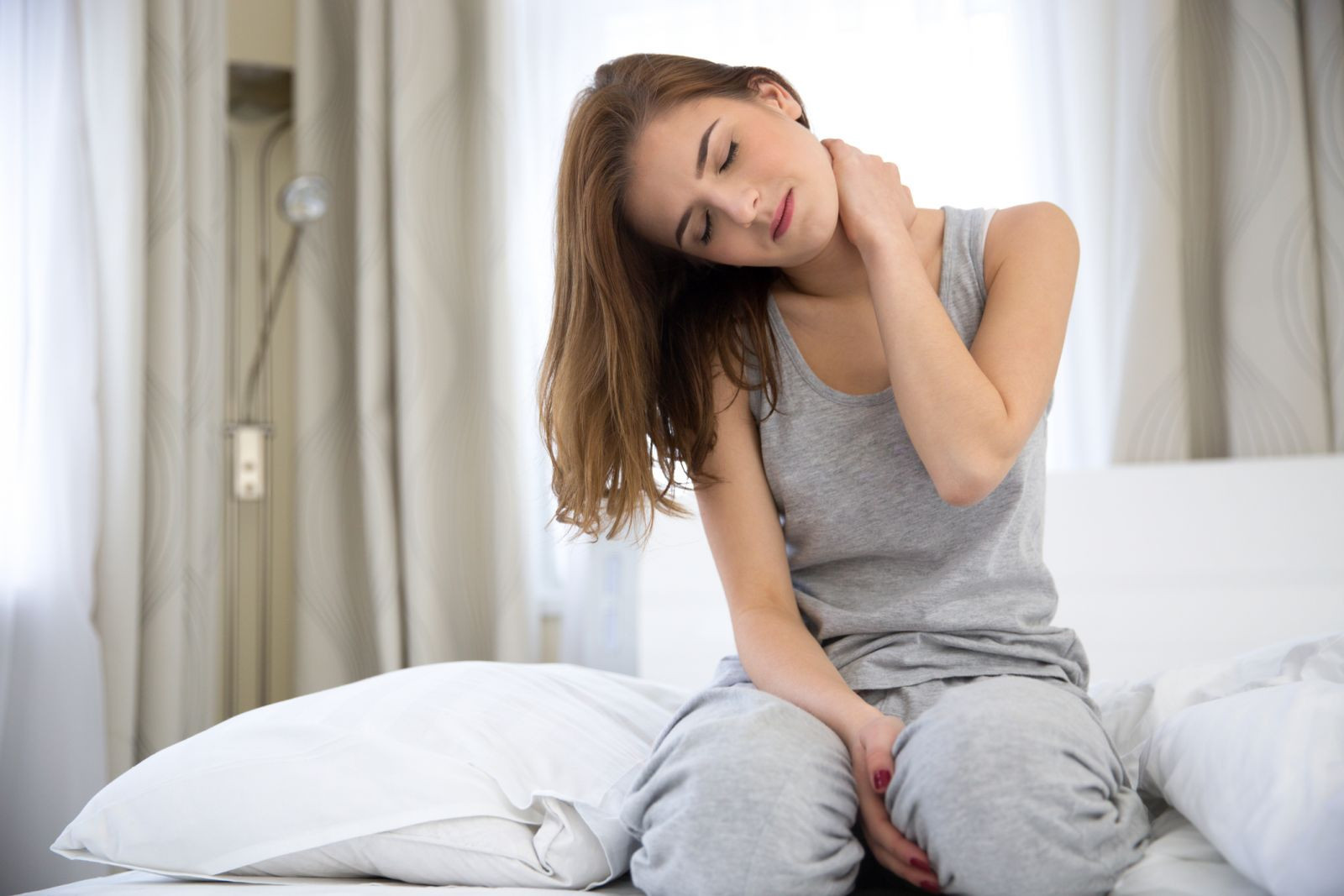
Believe it or not, your sleeping position matters. Sleeping with an improper pillow or in an awkward position can strain the neck and lead to discomfort upon waking up.
Understanding the specific cause of your neck pain is crucial for selecting the right treatment approach.
Get Professional Help For Neck Pain
Consultation with the Chiropractor
Lorem ipsum dolor sit amet, consectetur adipiscing elit, sed do eiusmod tempor incididunt ut labore et dolore magna aliqua.
Get Comprehensive Insights
Lorem ipsum dolor sit amet, consectetur adipiscing elit, sed do eiusmod tempor incididunt ut labore et dolore magna aliqua.
Get adjusted & Spinal Health Report
Lorem ipsum dolor sit amet, consectetur adipiscing elit, sed do eiusmod tempor incididunt ut labore et dolore magna aliqua.
Startyour journey
with us today!
Discover what your root cause is telling you about your health